About Bangladesh
Bangladesh is a vibrant South Asian nation known for its rich cultural heritage, resilient people, and remarkable economic progress. Located on the fertile delta formed by the Ganges, Brahmaputra, and Meghna rivers, the country is home to more than 170 million people.
Since its independence in 1971, Bangladesh has achieved significant advancements in economic growth, healthcare, education, and social development. The country is a global leader in the ready-made garment industry and has emerged as one of the fastest-growing economies in Asia. Bangladesh is also renowned for its natural beauty, including the Sundarbans—the world’s largest mangrove forest—and the longest natural sea beach at Cox’s Bazar.
With a rich tradition of literature, music, and hospitality, Bangladesh continues to move forward with a vision of sustainable development, innovation, and prosperity while preserving its unique cultural identity.
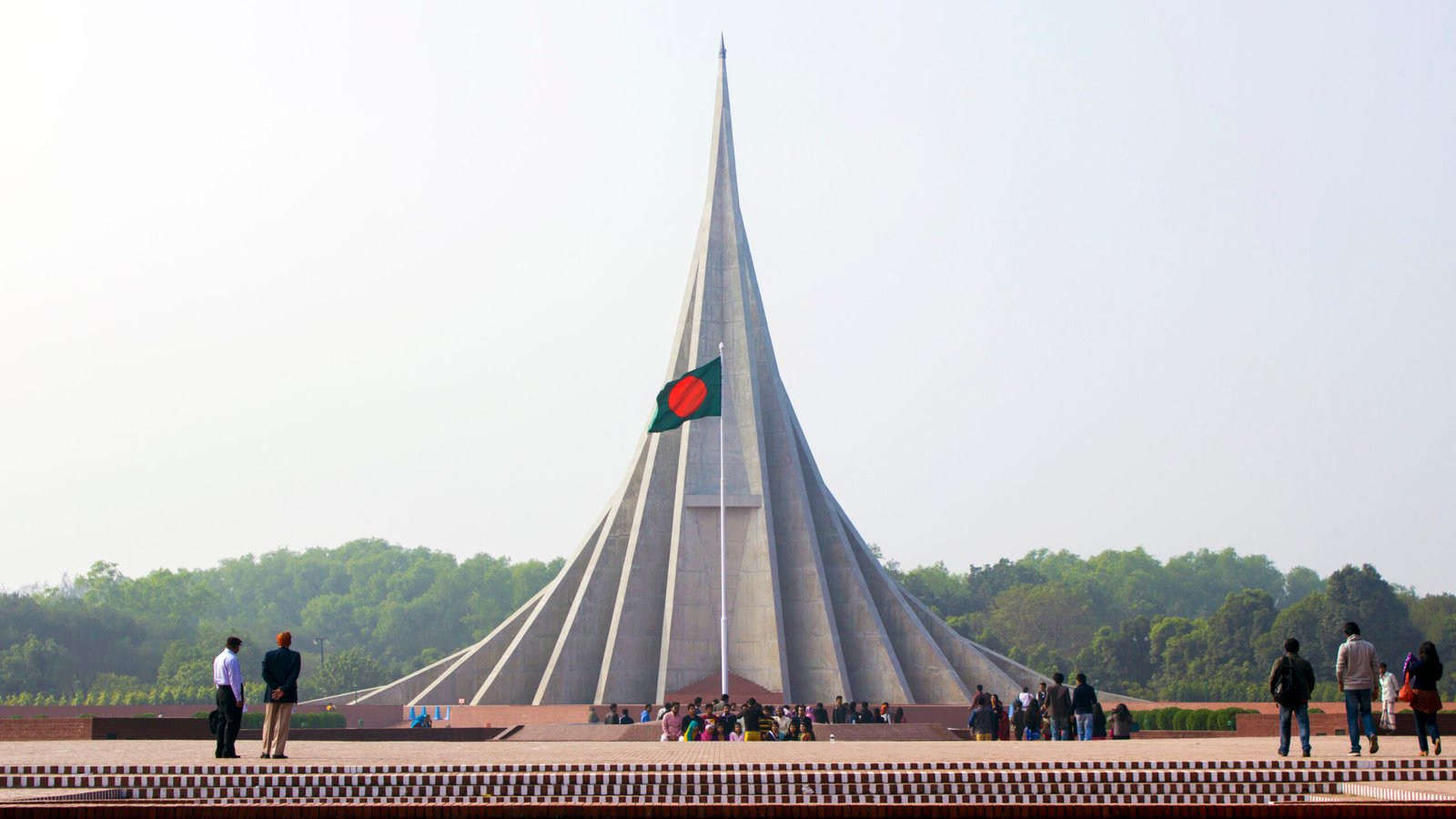
Jatiyo Smriti Shoudho (National Martyrs’ Memorial)
The National Martyrs’ Memorial in Savar (Jatiyo Smriti Soudho) is Bangladesh’s principal war memorial. Erected in 1982 to honor the 1971 Liberation War dead, it consists of seven pairs of towering concrete pillars arranged in a stepped pyramid (150 ft tall). Each pair of walls symbolizes a chapter of the nation’s struggle (1952 language movement through 1971 victory). Designed by Syed Mainul Hossain (also architect of the National Mosque). The memorial has become a national symbol of independence; wreaths and visitors flood the site on Victory Day (Dec 16) each year.
Visiting Hours: Open daily, typically dawn to dusk. (Reports say roughly 5:00–17:00)
Address: Savar (Near National Martyrs’ Memorial College), Savar, Dhaka.
Nearest MRT Station: No metro directly serves Savar.
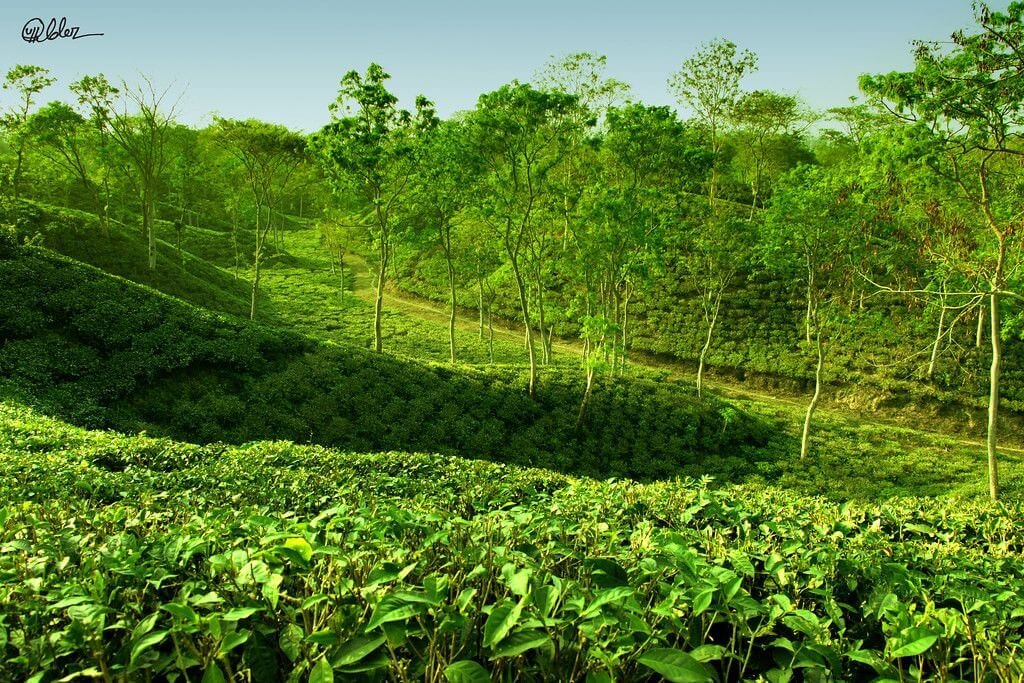
Tea Garden's of Sreemangal
Srimangal, the tea capital of Bangladesh, having most of the tea gardens of the country, is called “The land of two leaves and a bud”. The largest tea garden in the world is situated here.
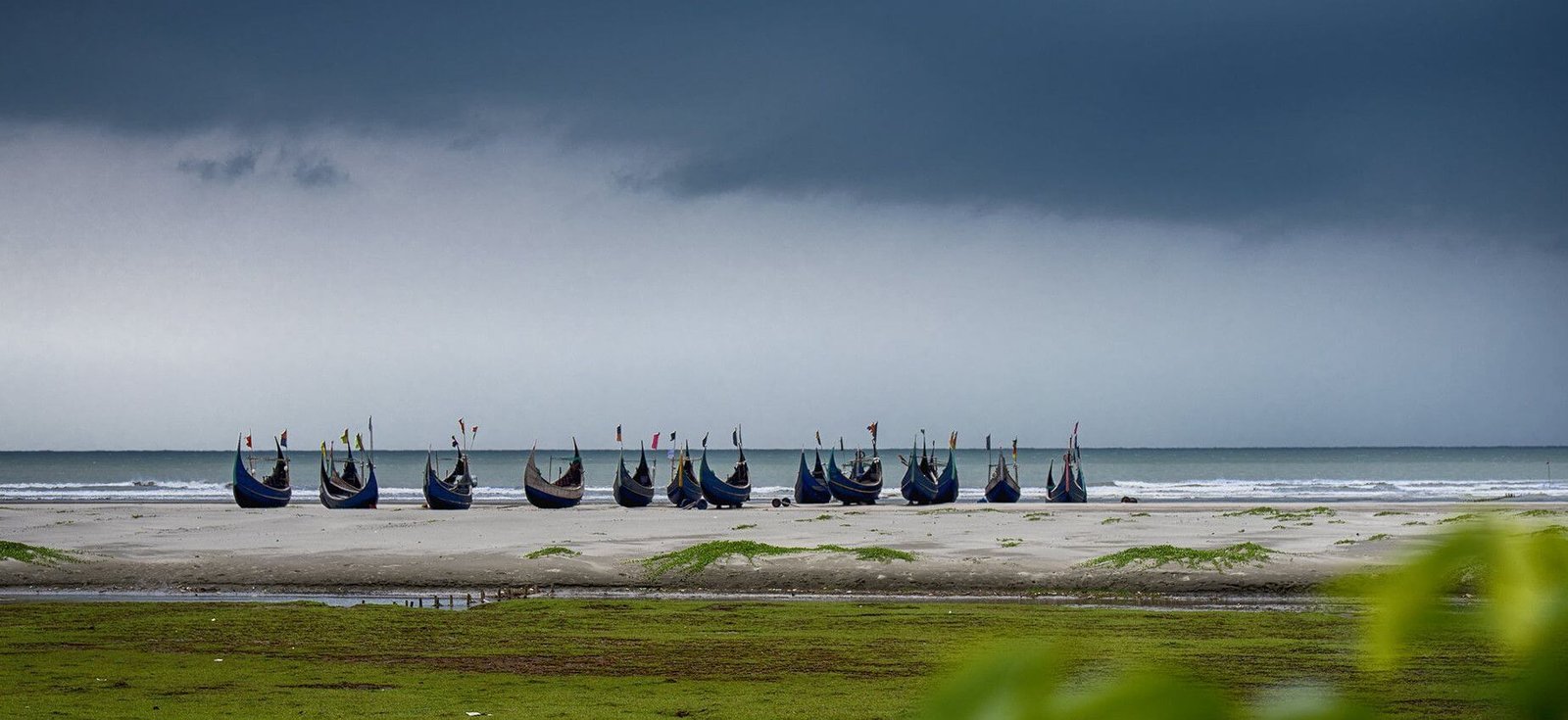
Cox's Bazar Sea Beach
Cox’s Bazar is a city, fishing port, tourism center, and district headquarters in southeastern Bangladesh. It is famous mostly for its long natural sandy beach, and it is infamous for the largest refugee camp in the world.
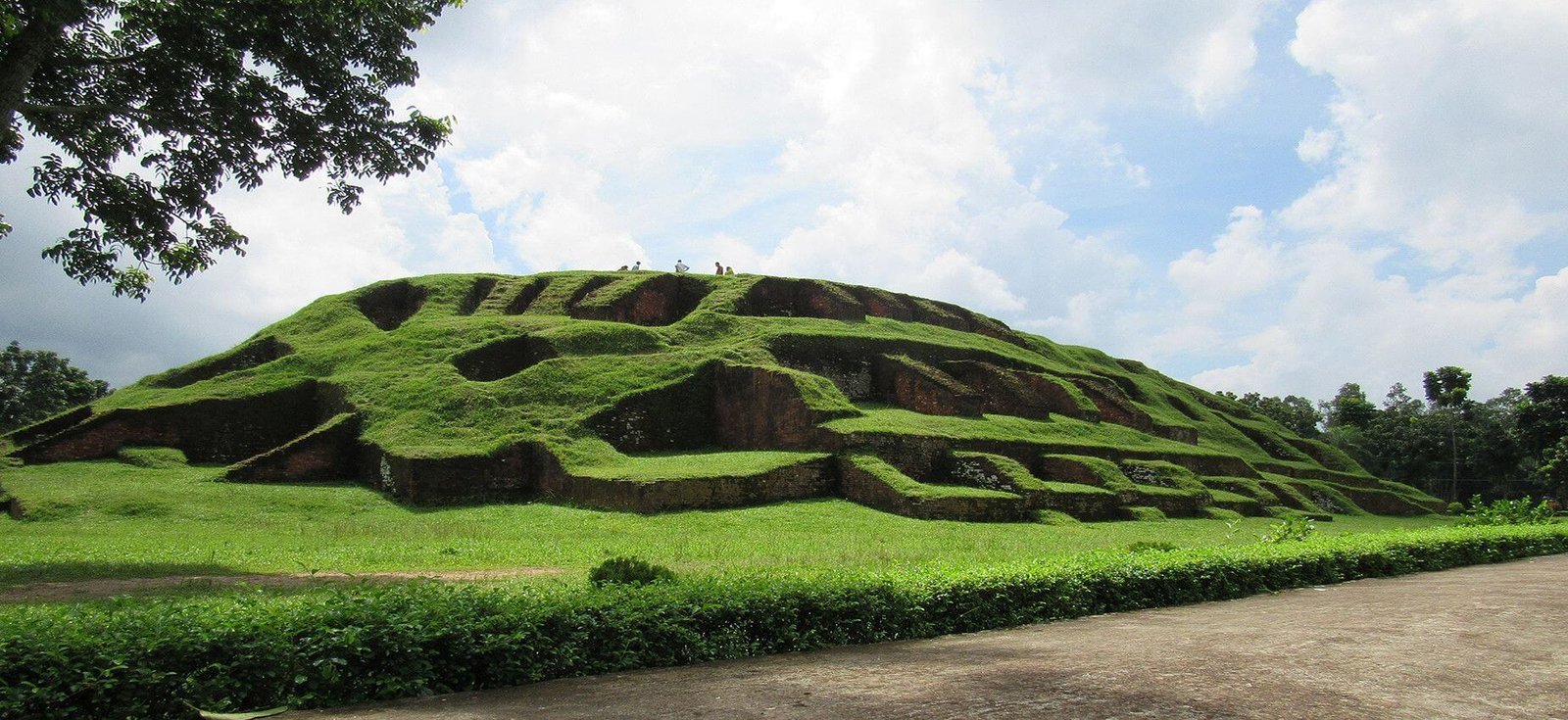
Mahasthangarh
Mahasthangarh is one of the earliest urban archaeological sites so far discovered in Bangladesh. The village Mahasthan in Shibganj thana of Bogra District contains the remains of an ancient city which was called Pundranagara or Paundravardhanapura in the territory of Pundravardhana. A limestone slab bearing six lines in Prakrit in Brahmi script recording a land grant, discovered in 1931, dates Mahasthangarh to at least the 3rd century BC.
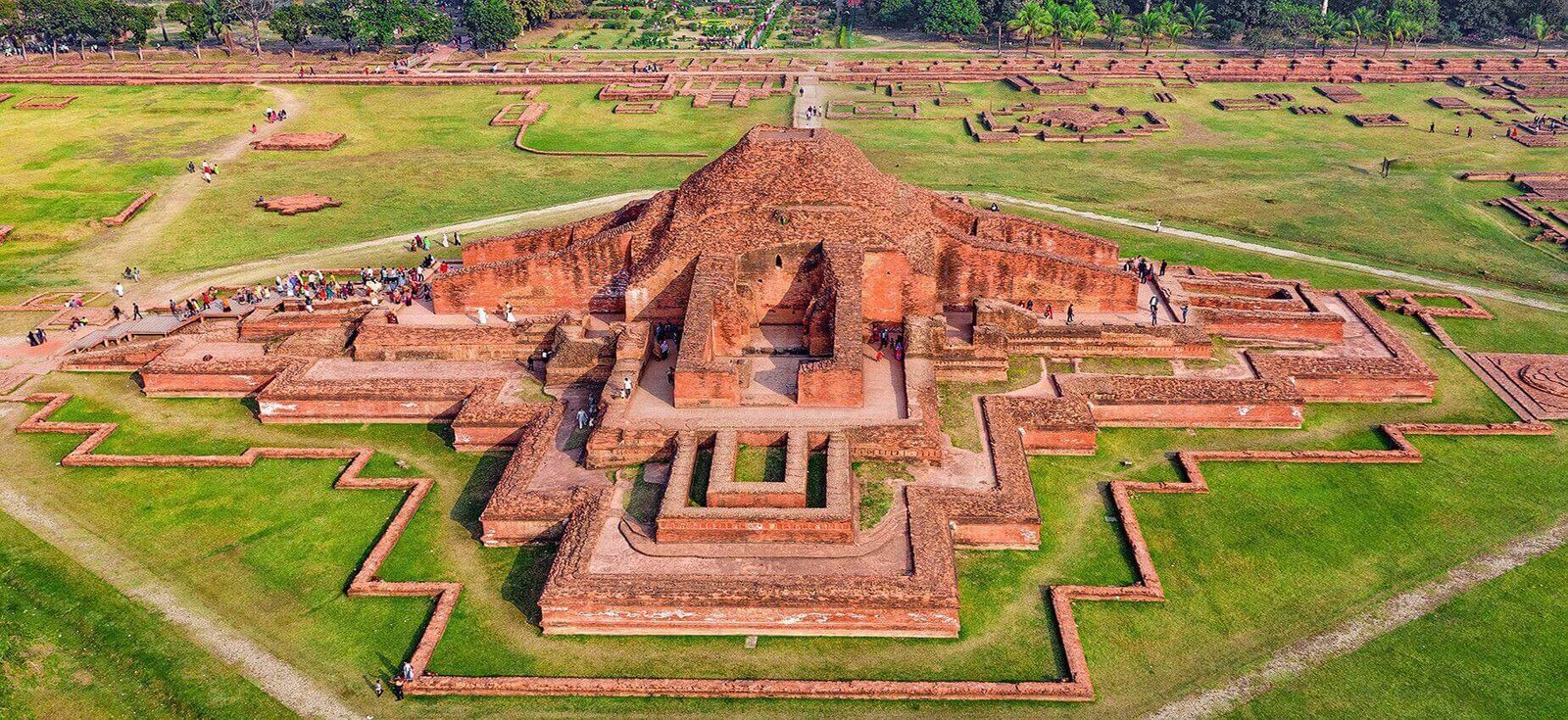
Paharpur Buddhist Monastery
Paharpur Buddhist Monastery in Paharpur, Badalgachhi Upazila, Naogaon District, Bangladesh is among the best known Buddhist viharas in the Indian Subcontinent and is one of the most important archaeological sites in the country. It is also one of the earliest sites of Bengal, where a significant amount of Hindu statues were found. It was designated as a UNESCO World Heritage Site in 1985. It dates from a similar time period to the nearby Halud Vihara and to the Sitakot Vihara in Nawabganj Upazila of Dinajpur District.
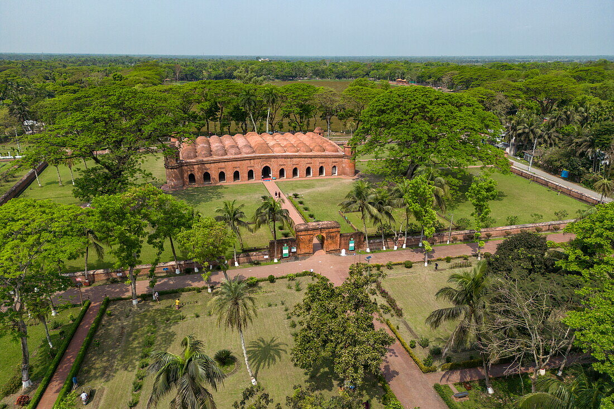
Sixty Dome Mosque
A UNESCO World Heritage Site, the Sixty Dome Mosque (Shat Gombuj Mosque) is the most remarkable architectural masterpiece of the Bengal Sultanate era. Built in the 15th century by Khan Jahan Ali, the mosque is renowned for its majestic arches, multiple domes, and exceptional brick craftsmanship. It stands as one of the finest examples of medieval Islamic architecture in South Asia.
How to Reach
- From Dhaka: Approximately 320 km by road (5–6 hours).
Visiting Hours
- Daily: Dawn to Dusk (approximately 9:00 AM – 5:00 PM for tourists).
- Access may be restricted during prayer times, especially on Fridays.
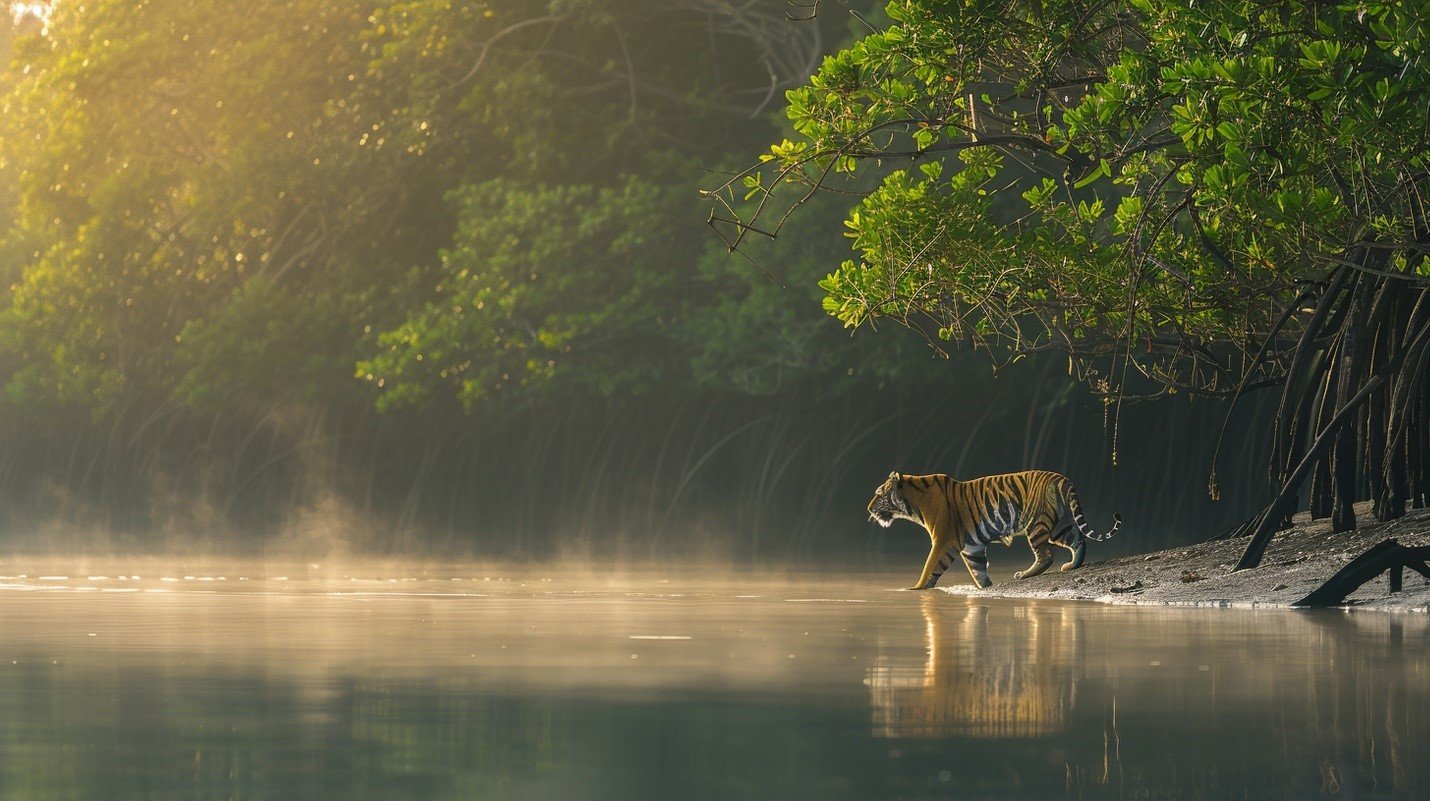
Sundarbans
The Sundarbans, a UNESCO World Heritage Site, is the world’s largest mangrove forest and the natural habitat of the iconic Royal Bengal Tiger. Spanning an intricate network of rivers, canals, and islands, the forest boasts extraordinary biodiversity, including spotted deer, crocodiles, dolphins, and hundreds of bird species. A cruise through its winding waterways offers one of the most unforgettable wildlife experiences in Asia.
How to Reach
- From Dhaka: Travel to Khulna or Mongla by bus, train, or launch.
- From Mongla/Khulna: Join a guided boat tour to explore the forest’s designated tourist zones.
Visiting Hours
- Accessible through authorized guided tours.
- Typical tourist entry: 8:00 AM – 5:00 PM.
Best Time to Visit: October–March for comfortable weather and better wildlife viewing
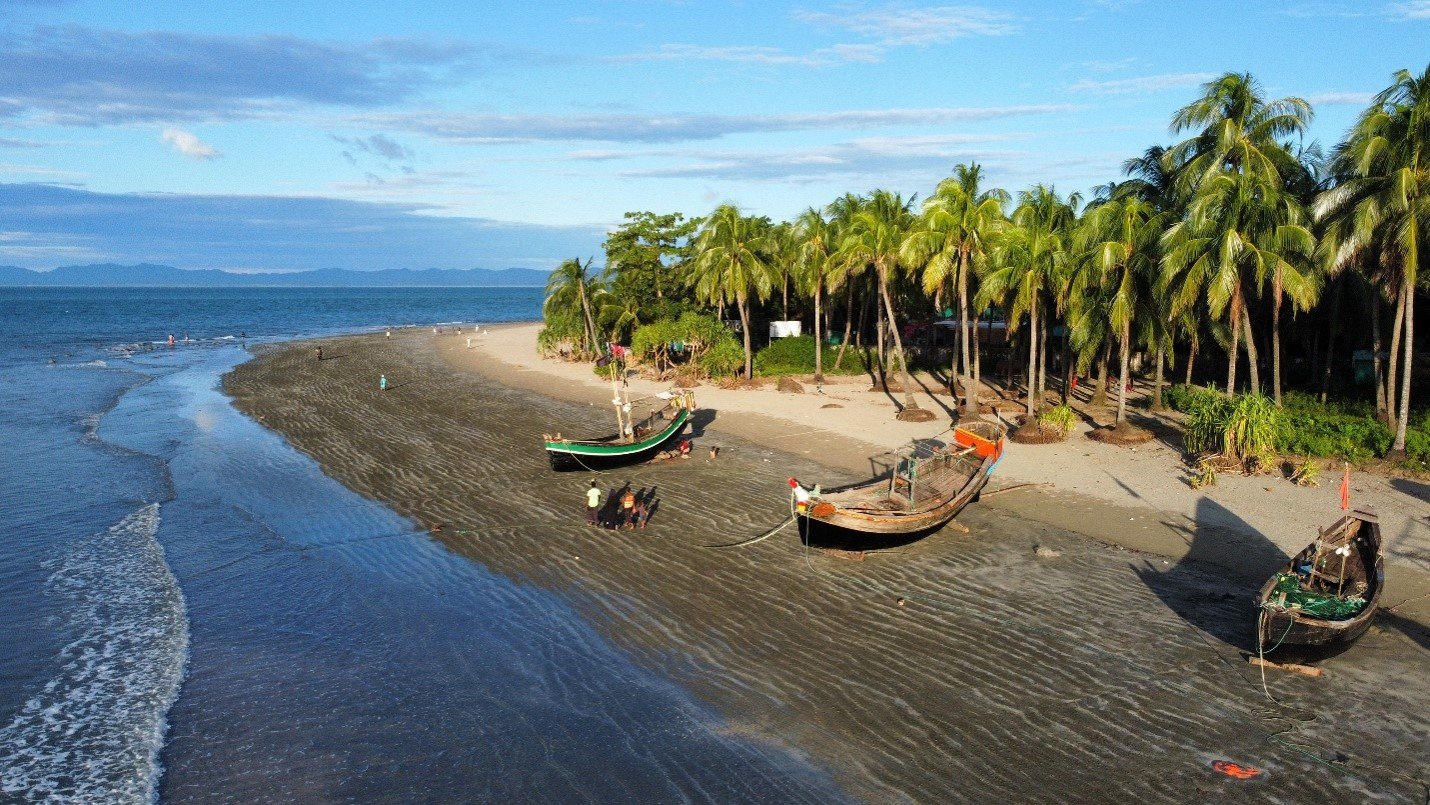
Saint Martin’s Island
Saint Martin’s Island, Bangladesh’s only coral island, is a tropical paradise nestled in the Bay of Bengal. Famous for its turquoise waters, white sandy beaches, coral-rich coastline, and stunning sunsets, the island offers an unforgettable coastal escape. Accessible via Teknaf by seasonal ferry services, Saint Martin’s is best visited between November and March for the ultimate island experience.
How to Reach
- From Dhaka: Travel by bus, train, or air to Cox’s Bazar.
- From Cox’s Bazar: Proceed by road to Teknaf (approximately 85 km).
- From Teknaf: Board an authorized tourist vessel or ferry to Saint Martin’s Island (seasonal service, generally operating from November to March).
Visiting Hours
- Island Access: Open throughout the day.
- Ferry Services: Usually operate during daylight hours and are subject to weather and sea conditions.
- Best Time to Visit: November–March, when the sea remains calm and transportation services are available.
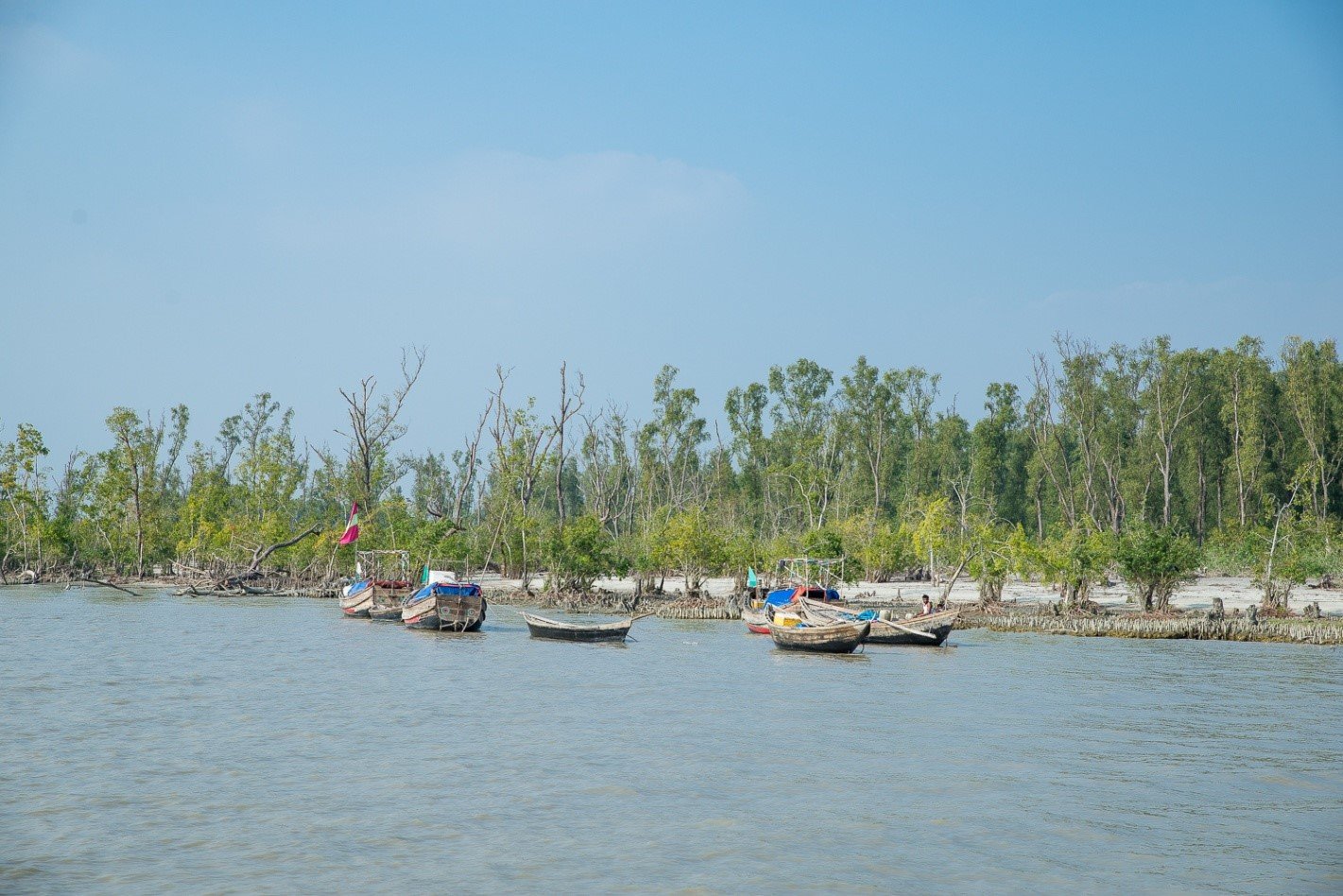
Char Kukri Mukri
Char Kukri Mukri is a serene island sanctuary located at the confluence of the Meghna and Tentulia rivers. Famous for its coastal mangrove forests, migratory birds, deer, and unspoiled natural beauty, the island offers visitors a tranquil escape reminiscent of the Sundarbans. The fresh sea breeze, scenic riverbanks, and spectacular sunsets make it one of Bangladesh’s hidden gems.
How to Reach
From Dhaka: Travel by launch or bus to Bhola.
From Bhola Sadar: Travel by road to Char Fasson and then by local transport/boat to Char Kukri Mukri.
Visiting Hours
Open Daily: Sunrise to Sunset
Best Time to Visit: November–March for pleasant weather.